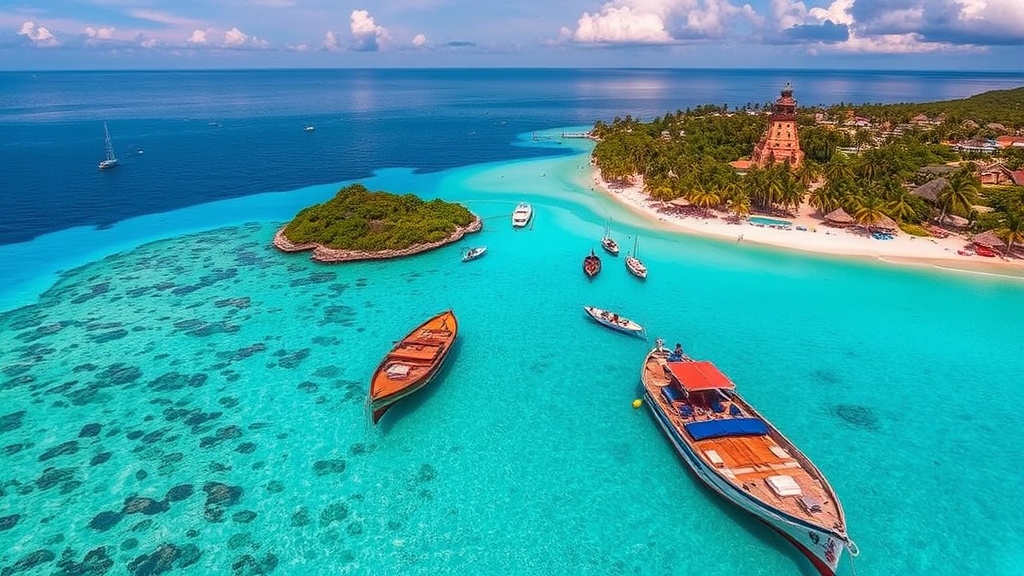
7 Dreamy Island Hopping Destinations You Need to Visit

Greek Cyclades: Santorini to Mykonos Adventure
Thailand's Phi Phi Islands: Paradise Found
Philippines Palawan: Hidden Lagoons and Beaches
Caribbean Virgin Islands: Sailing Through Paradise
Maldives Atolls: Overwater Bungalow Hopping
Island hopping isn't just a vacation style—it's a mindset. The freedom of waking up on one coastline and drifting off to sleep on another, surrounded by nothing but salt air and turquoise horizons, is exactly what this guide delivers. You'll discover seven island chains where the path between stops matters as much as the destinations themselves, with practical details on how to plan, when to go, and what makes each archipelago worth the effort.
What Makes Island Hopping Different from Regular Beach Vacations?
Island hopping means moving between multiple islands during a single trip—typically two to five—rather than planting yourself at one resort for a week. The experience offers variety (different beaches, cultures, and landscapes), flexibility (you're not locked into one location), and often better value since you can mix high-end stays with simpler accommodations.
Here's the thing: not all island chains are created equal for hopping. Some require complicated ferry schedules or expensive domestic flights. Others—like the ones below—make it surprisingly straightforward. The best destinations offer reliable transport, distinct character from island to island, and enough infrastructure that you're not stranded if plans change.
Where Are the Best Island Hopping Destinations in Greece?
The Greek Islands remain the gold standard for Mediterranean island hopping, with the Cyclades offering the most iconic experience.
Santorini, Mykonos, Naxos, and Paros form a classic route that balances Instagram-famous caldera views with authentic village life. High-speed ferries run daily between these islands from April through October, with journeys ranging from 40 minutes to 2.5 hours. You'll pay roughly €35-80 per ferry leg depending on the season and vessel class.
The catch? Santorini is expensive and crowded. Here's the workaround: treat it as a two-day visual feast (the sunset at Oia really is spectacular), then escape to Naxos where beaches like Plaka stretch for miles without the price tag. Paros delivers charming harbor towns like Naousa, while Mykonos offers nightlife if that's your priority—though it's hardly mandatory.
Budget travelers should consider the lesser-known Dodecanese chain—Rhodes, Symi, Tilos, and Nisyros—where ferry passes cost less and crowds thin out considerably.
How Do You Island Hop in the Philippines Without Breaking the Bank?
The Philippines delivers perhaps the best value island hopping on earth, with over 7,000 islands and domestic flights often under $50.
Palawan province is the obvious starting point. From El Nido, group tours run daily to the Bacuit Archipelago—kayaking through hidden lagoons, swimming in cathedral-like caves, and eating grilled fish on secluded beaches. These tours cost about ₱1,400-1,800 ($25-32 USD) per person including lunch.
That said, the real magic happens when you venture beyond the tour boats. The Coron to El Nido ferry (4 hours, approximately ₱2,200) connects two distinct worlds: Coron's WWII wreck diving and El Nido's limestone karst formations. Sleep on a basic bangka boat between stops, or hop on the 2GO Travel overnight ferry for about ₱1,500 with a bed.
Siargao offers a completely different flavor—surfing at Cloud 9, motorcycle rentals for island exploration, and day trips to Sugba Lagoon and the three islands (Guyam, Daku, Naked). The vibe here is barefoot and board shorts, a refreshing contrast to Palawan's growing resort scene.
Why Should You Consider the Azores for Island Hopping?
Portugal's Azores archipelago—nine volcanic islands scattered across the mid-Atlantic—delivers dramatic landscapes without the tropical heat or hurricane seasons.
São Miguel, Terceira, Pico, and Faial connect via SATA Azores Airlines flights (20-50 minutes, roughly €60-120 round-trip). Each island offers something distinct: São Miguel has crater lakes in impossible shades of blue and green; Pico features Portugal's highest mountain and UNESCO-recognized vineyard landscapes; Faial's marina bursts with color from visiting yachts; Terceira preserves Renaissance-era architecture in Angra do Heroísmo.
Outdoor enthusiasts find hiking trails that rarely see other travelers, natural hot springs for soaking sore muscles, and whale watching that rivals anywhere on earth (sperm whales live here year-round; blue and fin whales pass through spring and summer). Temperatures hover between 60-75°F year-round, making the Azores ideal for travelers who burn easily or simply prefer milder climates.
Accommodations range from boutique guesthouses like The White on Pico to rural tourism cottages where you're essentially staying on a working farm.
Can You Island Hop in the Caribbean Without a Sailboat?
Absolutely. While sailing the Grenadines or Virgin Islands holds romantic appeal, several Caribbean chains work perfectly well for land-based island hoppers.
The Turks and Caicos offer an underrated three-island circuit: Providenciales (the main hub with Grace Bay's famously soft sand), North Caicos (dirt roads, flamingos, a slower rhythm), and Middle Caicos (the dramatic Mudjin Harbour cliffs and Conch Bar Caves). Ferries run twice daily from Providenciales to North Caicos for about $25 round-trip; a rental car gets you across the causeway to Middle Caicos.
In the Bahamas, the Exumas deliver the swimming pigs (yes, really—at Big Major Cay), thunderball grotto snorkeling, and private-island resorts reachable by water taxi from Great Exuma. The Bahamas Ferries service connects several islands, though many travelers prefer the 30-minute flights from Nassau operated by Bahamasair and Southern Air.
| Destination | Best For | Getting Around | Budget Level |
|---|---|---|---|
| Greek Cyclades | Culture + Beaches | High-speed ferries | Moderate to High |
| Philippines Palawan | Adventure + Value | Tour boats + ferries | Budget |
| Azores, Portugal | Hiking + Mild Weather | Inter-island flights | Moderate |
| Turks and Caicos | Luxury + Seclusion | Ferry + rental car | High |
| Maldives | Overwater Bungalows | Speedboats + seaplanes | Very High |
Is the Maldives Only for Honeymooners?
The Maldives has transcended its couples-only reputation—though romance certainly isn't in short supply.
The key insight most travelers miss: you don't need a $1,000/night resort to experience these atolls. The capital island Malé connects to local islands like Maafushi, Thoddoo, and Ukulhas via public ferry (slow but cheap—about $2-5) or speedboat ($25-50). These islands offer guesthouses starting around $50/night, bikini beaches (local islands require modest dress except in designated tourist zones), and the same turquoise lagoons as the luxury resorts.
Island hopping here looks different than elsewhere. Rather than daily moves, most travelers base themselves on one local island and take day trips to resort islands (for spa days or fancy dinners), uninhabited sandbanks (the ultimate picnic spot), and snorkeling sites. The Maldives Marketing and Public Relations Corporation maintains updated ferry schedules, though they're notoriously fluid—build buffer days into your itinerary.
Worth noting: the Maldives' dry season (November through April) coincides with peak pricing. Visiting during shoulder months (May or October) cuts costs nearly in half, and afternoon showers rarely disrupt entire days.
What About Thailand's Islands—Are They Still Worth It?
Thailand's islands have evolved dramatically over the past decade, but certain routes still deliver that tropical fantasy.
The Ang Thong National Marine Park—a protected archipelago of 42 limestone islands in the Gulf of Thailand—offers organized day trips from Koh Samui and Koh Phangan. These tours ($40-60 including lunch and kayaking) let you experience multiple islands without the logistics of packing and unpacking. Emerald Lake (a saltwater lagoon surrounded on all sides by cliffs) remains one of Southeast Asia's most striking natural features.
For multi-day hopping, the Koh Lanta to Koh Phi Phi to Phuket route works smoothly. Ferries connect all three daily during high season (November-April). Koh Lanta preserves a relaxed, family-friendly atmosphere; Koh Phi Phi (specifically the smaller Phi Phi Leh, where Maya Bay reopened with strict visitor limits) offers dramatic scenery; Phuket provides infrastructure, international flights, and—if you must—nightlife.
Here's the thing about Thailand: the Andaman Sea side (Phuket, Krabi, Phi Phi) and Gulf side (Samui, Phangan, Tao) have opposite weather patterns. When one side's getting pummeled by monsoon rains, the other's often sunny. Check seasonal conditions before booking.
What Should You Pack for an Island Hopping Trip?
Moving between islands means packing light—really light. You'll thank yourself for every ounce shed.
Priority items: reef-safe sunscreen (many island nations now ban chemical sunscreens that damage coral), a dry bag for electronics during boat transfers, water shoes for rocky beaches and coral protection, and a portable power bank (outlets aren't guaranteed on ferries or remote islands). A Osprey Farpoint 40 or similar carry-on-sized backpack beats rolling luggage on sandy paths and uneven docks.
Pack quick-dry clothing in neutral colors—synthetics or merino wool work better than cotton in humid climates. One nice outfit for sunset dinners, two swimsuits (so one's always dry), and a lightweight sarong or cover-up for beach-to-café transitions. That's it. Everything else is dead weight.
Island hopping rewards flexibility over planning, curiosity over comfort, and the willingness to embrace ferry delays as part of the adventure. Start with any of these seven destinations—you really can't go wrong.