Finding the Right Shade of Blue: A Guide to Tropical Water Clarity

The Difference Between Turquoise and Deep Blue Waters
Picture this: you’ve spent hours trekking through a dense tropical jungle, the humidity clinging to your skin like a second layer of clothing. You finally break through the treeline, expecting a sight that matches the postcard you saw online. Instead, you find a dark, murky inlet. It’s a letdown. The difference between a clear, inviting turquoise lagoon and a murky, dark sea often comes down to two things: depth and the seafloor composition. Understanding these factors helps you choose the right beach for your specific activity, whether you want to snorkel in shallow shallows or dive in deep blue waters.
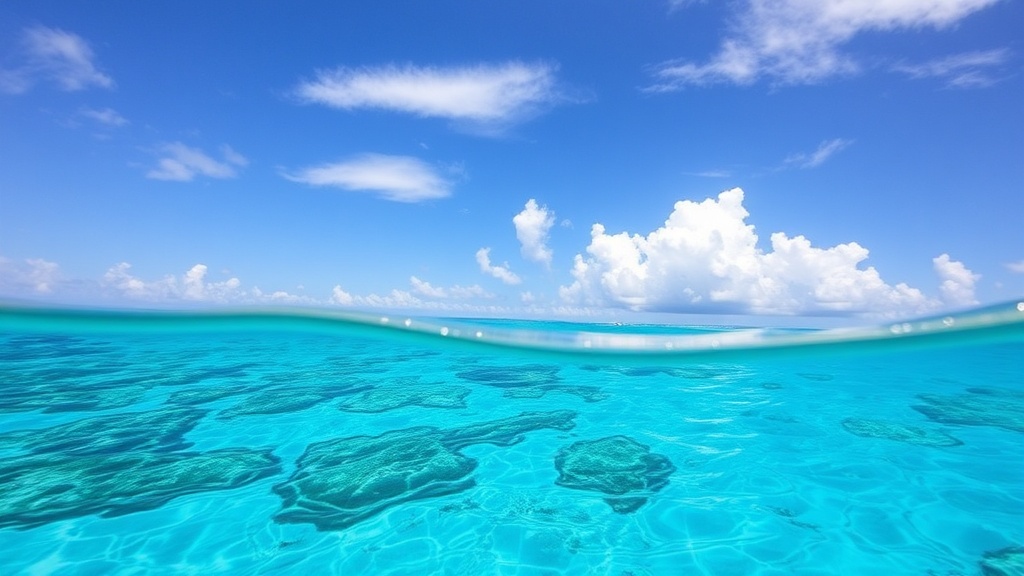
The color of the ocean isn't just a aesthetic choice of nature; it's a biological and geological indicator. Shallow waters near coral reefs often appear bright turquoise or cyan because the sunlight reflects off white sand or light-colored coral. As the water gets deeper, the longer wavelengths of light (reds and yellows) are absorbed, leaving only the shorter blue wavelengths to reach your eyes. If you’re looking for that classic, vibrant Caribbean look, you’re looking for shallow, sandy-bottomed areas. If you want to see deep-sea life, you’ll need to head where the blue turns to indigo.
Why is the ocean blue in some places and green in others?
This is a common question for anyone planning a tropical getaway. The color shift usually indicates a change in what’s happening beneath the surface. A green tint often signals the presence of phytoplankton or organic matter—essentially, the water is "richer" in nutrients, which is great for fish but can make visibility lower for snorkelers. In contrast, a bright turquoise water is usually a sign of low nutrient levels and high clarity, which is typical around coral atolls. If you see a deep, dark blue, you are likely looking at a significant drop-off or a deep trench where the sunlight can't reach the bottom.
For those who rely on visibility for photography or underwater observation, the type of sediment matters. A beach with a sandy bottom will usually offer much clearer water than one with a rocky or volcanic bottom. On islands like those in the Maldives, the white carbonate sand reflects light beautifully, creating that glowing turquoise effect. On volcanic islands, the dark, basaltic sand absorbs more light, making the water look much darker even in shallow areas. Always check the local geology before booking a resort if you have a preference for high-visibility water.
Where can I find the clearest water for snorkeling?
If your goal is to see every detail of a coral reef, you need to look for specific environmental conditions. The best snorkeling spots are usually found in protected lagoons or on the leeward side of an island. These areas are shielded from heavy surf, which keeps the sediment from being stirred up by the waves. When the water is calm, the particulates settle, leaving the water crystal clear. You can check the NOAA National Ocean Service website to understand more about how currents and tides affect water clarity in different regions.
- Lagoon Environments: These are shallow, calm areas that act as natural nurseries for marine life.
- Coral Atolls: These provide a high contrast between the bright shallow reef and the deep ocean.
- Protected Bays: These minimize the amount of sand and silt suspended in the water column.
It’s also worth noting that even the clearest water can look "dirty" if there is a high concentration of microscopic life. A "dirty" look isn't always a sign of pollution; it can actually be a sign of a healthy, productive ecosystem. However, for the best visual experience, you want to find areas where the water is relatively low in nutrients and high in light reflection.
Does water color affect the temperature of the sea?
While the color itself doesn't change the temperature, the depth and the seafloor do. Darker, deeper water tends to stay more stable in temperature, whereas shallow, turquoise areas can heat up significantly under the midday sun. This is why shallow lagoons feel so much warmer and more inviting for a casual dip, while the deep blue areas might feel a bit more refreshing. If you are a swimmer who prefers a specific temperature, keep this in mind when choosing your destination.
For more information on oceanography and how light interacts with water, the NASA Earth Observatory provides incredible visual data on how ocean colors change across different latitudes and depths. It’s a fascinating look at how our planet's water is far from a uniform blue.
When you're looking at your travel maps, don't just look at the shape of the coastline. Look at the bathymetry (the depth of the ocean floor). A destination with a gradual shelf will give you those long stretches of turquoise water that look great in photos. A destination with a steep drop-off will give you dramatic, deep-blue vistas that are perfect for advanced diving. Knowing what to expect can prevent that "disappointing arrival" scenario and ensure your tropical vacation is exactly what you envisioned.
The next time you're browsing through travel forums or booking a flight, look closely at the satellite imagery. If the water looks patchy or dark, it might be a rocky or high-nutrient area. If it looks like a bright, glowing turquoise, you're likely looking at a sandy, shallow paradise. Your choice of beach determines your experience more than almost any other factor in tropical travel.