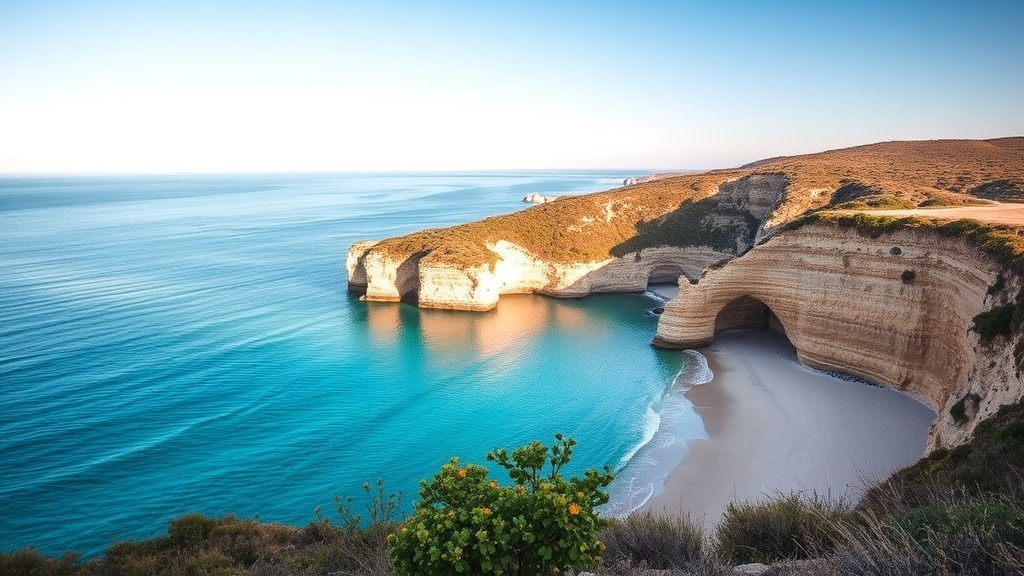
How to Find Hidden Beaches Locals Don't Share on Social Media

You're scrolling through pristine beach photos on Instagram—perfect white sand, turquoise water, not a single tourist in sight. The geotag says "Southeast Asia" or "Caribbean Islands" with no specific location. You message the account asking where it was taken. Radio silence—or worse, a vague "found it wandering around" response that helps nobody. These spots exist. Locals know them. And with the right approach, you can find them too without relying on cryptic social media posts or overpaying for packaged "secret beach tours."
The truth about secluded tropical beaches is that they rarely appear on mainstream travel blogs or TripAdvisor lists. They're passed through word-of-mouth at fishing villages, marked with hand-drawn maps on café napkins, or simply accessed through unmarked jungle paths that look like dead ends. Finding them requires observation skills, cultural sensitivity, and a willingness to explore beyond the resort perimeter. Here's how to discover these places while traveling through island regions.
How Do I Spot Hidden Beach Access Points from Satellite Maps?
Before you even land on an island, spend thirty minutes on Google Earth looking at the coastline. You're not searching for famous beaches—they'll have reviews and obvious infrastructure. Instead, scan for narrow strips of sand between rocky outcrops, coves tucked behind headlands, or thin trails leading from roads toward the water.
Look for these satellite signatures:
- Beach-colored pixels (lighter tan or white) connected to roads by thin lines—often footpaths or unpaved tracks
- Sections of coastline without buildings within 500 meters of the shore
- Sand areas between rocky peninsulas that block waves and create natural swimming pools
- River mouths that open onto beaches—these often have sediment deposits creating shallow, calm entry points
Drop pins on promising locations. Check if they're accessible by public transport, scooter rental range, or if you'll need to hire a boat. Some of my best finds in the Philippines came from noticing a 200-meter beach visible on satellite imagery but absent from any tourism website. The trailhead was marked only by a faded sign for a long-closed resort.
When you visit, bring offline maps downloaded through apps like Maps.me—they work without cell service and show topographical details that reveal elevation changes (steep cliffs mean inaccessible; gentle slopes mean potential paths).
What Questions Should I Ask Locals to Find Secluded Swimming Spots?
Tourism office staff often default to promoting established beaches. Fishermen, convenience store owners, and older residents at bus stops know the real locations. The key is asking the right questions.
Avoid: "Where's the best beach?" (You'll get the tourist answer.)
Instead try: "Where do families here swim on weekends?" or "Is there a quiet place to escape the cruise ship crowds?" Frame it around seeking peace rather than discovery—you're not an explorer barging in, you're someone needing respite from busier areas.
Learn the local term for "small beach" or "cove" before arriving. In Indonesia, ask about pantai kecil. In Thailand, inquire after haad noi. Using local language—even broken attempts—signals respect and separates you from tourists expecting English answers.
When someone shares a location, ask follow-ups: Is it swimmable at high tide? Are there freshwater sources nearby? What's the best time of day to avoid fishing boat traffic? These questions prove you're actually going to visit (not just collecting Instagram locations) and often prompt additional details—"Oh, if you go Tuesday morning, the seaweed collectors will be there and can show you the tide pools."
How Can I Access Beaches That Require Boat Transport Without Paying Resort Prices?
Many secluded beaches are island-accessible only—meaning you need water transport. Resort packages charge $80-150 for "private island tours" that visit these same spots with thirty other guests. There's a better way.
Head to the nearest fishing village early morning (6-8 AM before boats head out). Approach captains directly—look for men working on nets or preparing fuel. Explain you want to visit a specific beach you've identified, not a tour package. Negotiate a flat rate for drop-off and pickup time, not per-person pricing.
For beaches on the same island but inaccessible by road, ask about kayak or paddleboard rentals from local operators. In Palawan, I rented a kayak for $8 daily and reached three secluded coves within paddling distance that tour boats charged $60 to visit. The exercise kept crowds away—most tourists won't paddle thirty minutes when a motorboat is available.
Always establish pickup times clearly. Leave a phone number if you have local SIM service. Bring more water than you think you need—being stranded at a beautiful beach becomes significantly less romantic when dehydration sets in.
The U.S. National Park Service coastal safety guidelines offer excellent preparation checklists for remote beach visits—even when you're not in U.S. territories, the principles apply globally.
What Should I Pack to Explore Off-Path Tropical Beaches Safely?
Hidden beaches are hidden partly because they lack infrastructure. No snack bars. No lifeguards. Often no shade. Your daypack needs to compensate.
Beyond obvious items (reef-safe sunscreen, water, first aid), pack:
- A trash bag—pack out everything, including other people's litter if you have space. Locals notice.
- Water shoes with ankle support. Those "pristine" beaches often have hidden coral fragments, sea urchins, or rocky entries that slice bare feet.
- A physical compass or GPS device. Phone batteries die faster in tropical heat, and trails through jungle all look identical.
- A lightweight dry bag for electronics—humidity destroys phones even without submersion.
- Long-sleeved UV shirt and hat. Shadeless beaches mean direct sun exposure for hours.
Bring enough local currency for emergencies. Remote beaches sometimes have locals selling fresh coconut water or snacks, but rarely accept cards. In some Pacific islands, leaving small donations at community-maintained access points is expected—ask locally about customs.
Study tide tables before departure. That perfect stretch of sand at 10 AM might be entirely underwater by 2 PM. Tideschart.com provides global tide predictions essential for planning beach visits.
How Do I Visit Secluded Beaches Responsibly Without Ruining Them?
The paradox of hidden beaches: finding them inevitably contributes to their discovery by others. Your Instagram post with precise geotagging can transform a quiet cove into a crowded mess within months. The solution isn't keeping places completely secret—it's about sustainable visitation patterns.
Never post exact locations publicly. If you share photos, tag the general island or region. Let interested people message you privately for details—this filters for genuine travelers willing to engage rather than checklist tourists.
Respect local ownership. Many secluded beaches are technically private land, tolerated by owners who don't mind respectful visitors. If you see "No Trespassing" signs in the local language, turn around. In some cultures, beaches have spiritual significance—Tahitian marae sites near shores, for example, require specific protocols.
Limit group size. Bringing ten friends to a beach that normally sees two visitors weekly dramatically changes its character. Keep exploration parties small.
Observe wildlife without interference. Sea turtle nesting beaches, in particular, require strict distance protocols. The Sea Turtle Conservancy guidelines explain how to share space responsibly with nesting wildlife.
The best hidden beaches reward patience. You'll arrive sweaty, possibly scratched by jungle vegetation, wondering if the effort was worth it. Then the trail opens, and there's crystalline water with nobody else in sight. That first plunge—uninterrupted, unhurried, entirely yours—validates every wrong turn and awkward language exchange that led you there.
Frequently Asked Questions
Are hidden beaches actually legal to visit?
It depends on local laws. Many countries guarantee public beach access up to the high tide line, but access routes through private land aren't guaranteed. Research local regulations—coastal access laws vary dramatically between nations. When in doubt, ask permission from nearby landowners.
How do I find hidden beaches on islands without reliable internet?
Download offline maps before arrival. Visit local print shops or bookstores for topographical maps (often sold for hiking but useful for coastal exploration). Strike up conversations at guesthouses where long-term travelers gather—they've usually done the exploratory work already.
What's the best time of day to find empty beaches even at popular islands?
Dawn (6-8 AM) and late afternoon (after 4 PM) see dramatically reduced crowds. Cruise ship passengers typically return to vessels by 3 PM. Morning visits also offer calmer winds and better visibility for snorkeling.
Should I worry about safety at beaches without lifeguards?
Absolutely. Assess conditions yourself: check for rip currents (channels of darker, calmer water moving away from shore), note wave patterns, and never swim alone at remote beaches. Bring a flotation device if you're not a confident swimmer.