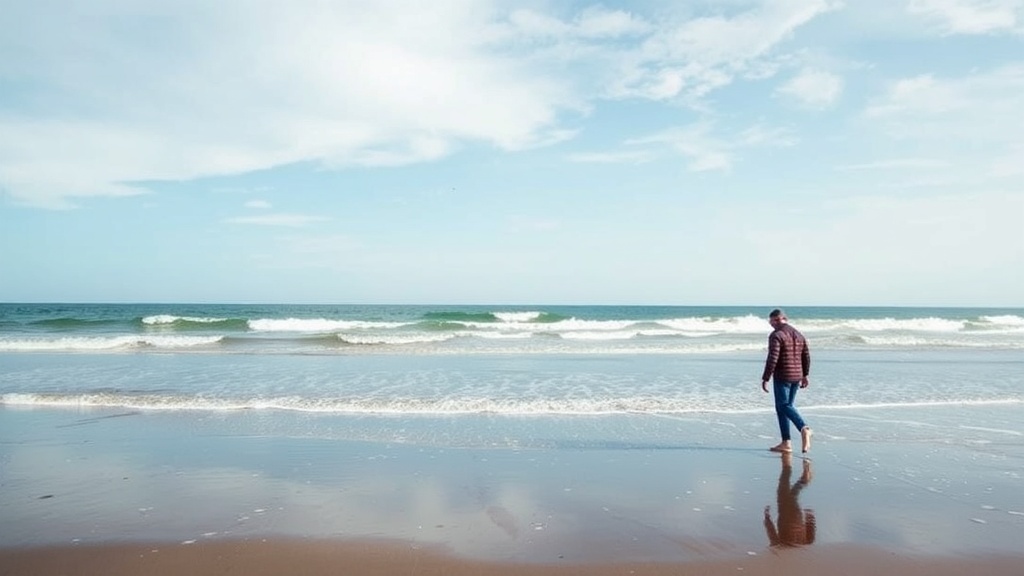
How to Read Tide Tables Before Your Beach Exploration Day

Most travelers don't realize that tide heights can swing by 15 feet or more in tropical destinations like the Bay of Fundy or Indonesia's Riau Islands. That dramatic shift transforms a walkable sandbar into submerged water—often within minutes. Learning to interpret tide tables isn't just a nice skill for beachcombers. It's the difference between discovering a hidden cave accessible only at low tide and finding yourself trapped by rising water.
This guide breaks down exactly how to read tide charts, interpret the data for your specific beach plans, and use that knowledge to time your explorations safely. Whether you're planning to walk between islands at low tide, explore tide pools, or photograph exposed coral formations, understanding these numbers opens up entirely new possibilities for your coastal adventures.
What Do Tide Table Numbers Actually Mean?
Tide tables list the predicted height of the water at specific times throughout the day. These aren't abstract figures—they represent the vertical distance between the water surface and a fixed reference point called "mean lower low water" (MLLW). Think of MLLW as the average of the lowest low tides recorded over a 19-year period. When you see "High: 6.2 ft at 2:47 PM," that means the water will reach 6.2 feet above that baseline.
Here's where it gets interesting. The numbers alone don't tell the whole story. A 3-foot tide at one beach might expose 200 yards of sand, while the same tide at a steep volcanic shoreline barely changes the visible beach. You need to pair the tide table with local knowledge—or at least a topographic map of the seafloor.
Most tide tables also include the tidal range—that's the difference between high and low tide on any given day. On a "spring tide" (which happens during full and new moons), the range is larger. Water goes lower at low tide and higher at high tide. "Neap tides" occur during quarter moons and produce smaller ranges. For beach explorers, spring tides are golden. They expose more tide pools, create longer sandbar walks, and reveal features hidden underwater for most of the month.
How Do I Find Reliable Tide Data for Remote Islands?
Not every paradise has a local tide station. When you're heading to lesser-known spots, you'll need to work with reference stations—nearby locations that have long-term tide data—and apply correction factors. The NOAA Tides and Currents website provides this data for U.S. territories and many international locations. For global coverage, Tide-Forecast.com aggregates predictions from multiple sources.
When using a reference station, check the "time differences" and "height differences" listed. These tell you how much earlier or later—and how much higher or lower—the tides occur at your specific beach compared to the main station. A location might experience high tide 45 minutes later and 0.8 feet lower than the reference point.
Mobile apps like WillyWeather or Tide Charts (which work offline once downloaded) are invaluable on remote islands without reliable cell service. Download the data before you leave Wi-Fi. I've seen too many travelers stranded because they assumed they'd have signal on that "secret" beach.
For the most accurate planning, cross-reference multiple sources. Official maritime agencies publish the most reliable long-term predictions, while local fishing communities often maintain handwritten tide logs that account for seasonal variations the official tables miss. Ask at your guesthouse—or better yet, strike up a conversation with someone unloading a boat.
When Is the Best Time to Explore Tide Pools and Exposed Reefs?
Tide pools—those miniature aquariums left behind when the ocean recedes—are at their best during the lowest low tides of the month. Look for tides below 0.5 feet on your chart. The lower, the better. Negative tides (marked with a minus sign, like -0.3 ft) are jackpot conditions. They expose areas normally submerged even during regular low tides.
Timing matters just as much as height. Arrive about 30 minutes before the predicted low tide. This gives you the maximum window for exploration as the water continues receding. You'll have roughly 90 minutes of good viewing before the tide turns and starts covering everything again. Set an alarm—literally. It's embarrassingly easy to lose track of time photographing a particularly colorful sea anemone while water creeps back in around you.
Exposed coral formations follow similar rules but require extra caution. Coral dies when left out of water for extended periods. Plan your walk so you're observing—not touching—and you're off the reef before it has been exposed for more than an hour. In the tropics, intense sun heats exposed coral rapidly. Your quick photo op could cause lasting damage to an ecosystem that took centuries to build.
How Can Rising Tides Trap Unprepared Beachgoers?
Here's a scenario that plays out regularly on tropical beaches: a traveler walks around a headland at low tide, exploring the rock formations and secluded coves beyond. Two hours later, the return path is underwater. What was a simple walk becomes a dangerous swim—or a long wait for the next low tide.
Check the tide chart before you commit to any route that could be cut off. Note not just the heights but the rate of change. Some locations see rapid rises—several feet per hour. In places with funnel-shaped bays or narrow inlets, the incoming tide creates currents that flow faster than you can swim against.
The "rule of twelfths" offers a rough estimate: in the six hours between low and high tide, the water level rises in a predictable pattern. It rises 1/12 of the total range in the first hour, 2/12 in the second, 3/12 in the third and fourth, then 2/12 and 1/12 in the final two hours. During that middle period—hours three and four—the water comes up fastest. Plan accordingly.
Local knowledge matters here more than anywhere else. Some beaches have unique characteristics—underwater channels that drain slowly, or rock formations that create temporary dams until they suddenly overflow. Ask someone who lives there. The fisherman mending nets on the pier knows things no app can tell you.
Practical Tips for Your Next Beach Day
Start by printing or screenshotting the tide table for your specific dates. Circle the extreme lows—the ones below 1.0 foot. These are your prime exploration windows. Write the times in your phone's calendar with 30-minute early reminders.
Pack for the shift. That lightweight daypack should include water, snacks, reef-safe sunscreen, and a fully charged phone. If you're planning extensive tide pool exploration, wear water shoes with thick soles. Coral cuts ruin vacations. Bring a small mesh bag for any trash you find—tide pools concentrate ocean debris, and leaving the place cleaner than you found it is basic beach ethics.
Photographers should note that the hour before and after low tide offers unique lighting opportunities. Wet sand reflects golden hour light beautifully. Exposed rocks create leading lines that disappear at high tide. Just keep one eye on your equipment and one on the waterline.
Finally, share what you learn. If you discover that a particular beach offers exceptional tide pooling at a 0.2-foot tide, pass that information to fellow travelers—or to the local tourism office. Good tide knowledge builds better, safer beach experiences for everyone.
"The sea does not reward those who are too anxious, too greedy, or too impatient. One should lie empty, open, choiceless as a beach—waiting for a gift from the sea." — Anne Morrow Lindbergh
Reading tide tables transforms you from a passive beach visitor into an informed coastal explorer. You'll know when that shipwreck becomes visible. You'll time your walk to the sea cave perfectly. You'll watch the tide roll in with respect—not surprise. The ocean operates on its own schedule. Your job isn't to fight it, but to read the signs and work with what the day gives you.