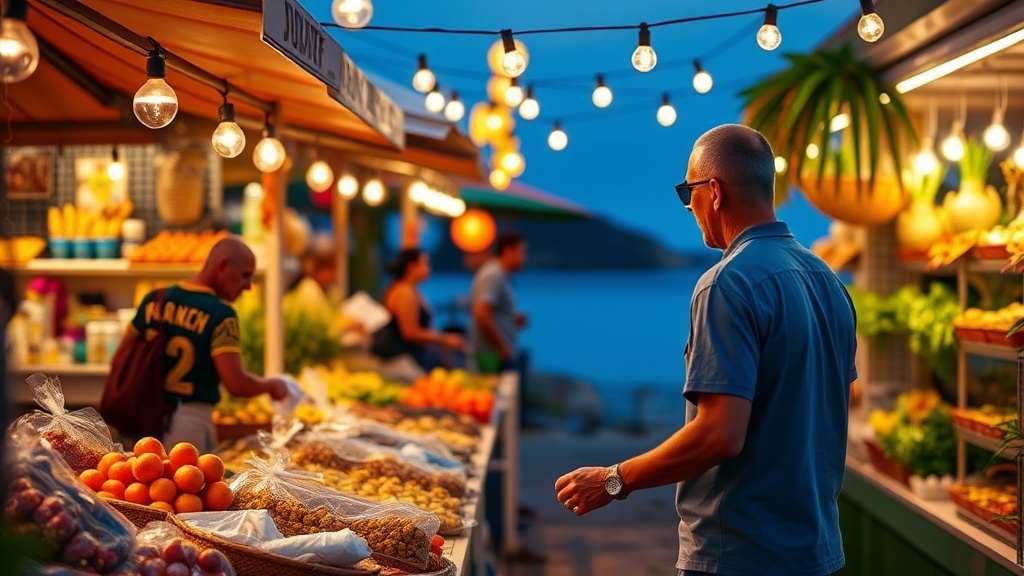
Island Food Markets That'll Change How You Think About Beach Dining

You've spent the morning swimming in turquoise water, and now your stomach's growling louder than the waves. Most travelers head straight for the waterfront restaurant with the English menu and the $20 fish tacos. But the real magic happens a few streets inland—where locals queue up at plastic stools, where the air smells of grilled fish and spice, and where lunch costs less than your bottled water. Island food markets aren't just places to eat. They're cultural snapshots, community gathering spots, and often the best deal you'll find on a tropical vacation.
This isn't about finding "authentic" experiences for Instagram. It's about better food at better prices, prepared by people who've been cooking the same dishes for decades. Here's what you need to know about eating at island markets—from what to order to how to not get sick—so you can skip the tourist traps and eat like someone who actually lives there.
What Makes Island Markets Different from Tourist Restaurants?
Walk into a beachside restaurant geared toward visitors and you'll find the same menu everywhere: coconut shrimp, fish and chips, maybe a local dish "adapted" for Western palates. The ingredients often arrive frozen on the same boat that brought you. The cooks might not even be from the island.
Island markets operate on an entirely different schedule. Fishermen unload their catch before dawn. Produce vendors set up by sunrise. By 10 AM, food stalls are serving what was swimming in the ocean that morning or harvested from nearby farms the day before. The menu changes based on what's available—and that's the whole point.
You'll eat standing up or perched on wobbly stools. You'll point at things because there's no menu, or because the menu is handwritten in a language you don't speak. The person cooking might be a grandmother who's been making the same curry recipe for forty years. The flavors are sharper, the portions are generous, and the prices reflect local wages—not tourist budgets.
Which Island Markets Should Be on Your Radar?
Some markets have achieved legendary status among travelers who prioritize food. Others remain barely documented online, known only through word of mouth. Here are eight worth building an itinerary around—spanning the Caribbean, Southeast Asia, and the Pacific.
1. Oranjestad, Aruba
The Royal Plaza Market and surrounding streets come alive around lunchtime with Venezuelan arepas, pastechi (savory pastries), and fresh ceviche. Aruban food reflects the island's position as a crossroads—Dutch colonial influence meets South American ingredients and Caribbean techniques. The keshi yena (stuffed cheese) you'll find here bears little resemblance to anything you'll get at your resort's buffet.
2. Port Louis, Mauritius
The Central Market is a sensory assault in the best way possible. Upstairs, vendors sell spices, herbal remedies, and textiles. Downstairs, dozens of food stalls serve dholl puri (split pea flatbread with curry), alouda (a neon-pink milk drink with basil seeds), and Chinese-inspired noodle dishes. Mauritius's population blends African, Indian, Chinese, and French heritage—and the food reflects every layer of that history.
3. Oistins, Barbados (Friday Nights)
This isn't a daily market, but the Friday night fish fry has become institution enough to count. Local fishermen grill fresh-caught mahi-mahi, flying fish, and tuna over open flames while soca music blares and rum flows freely. It's touristy, yes—but it's also where Bajan families celebrate birthdays and where you'll find the most honest conversation about island life.
4. Male, Maldives
Most visitors to the Maldives never leave their resort islands, which is exactly why the Male Local Market and nearby Maldives Fish Market feel like secret discoveries. Skip the resort dining and take the ferry from Hulhumalé. You'll find mas huni (tuna with coconut and onion), garudhiya (fish soup), and fresh tropical fruits at prices that'll make you question everything you paid for breakfast at your water villa.
5. Hilo, Hawaii (Wednesday and Saturday)
The Hilo Farmers Market on the Big Island is what happens when volcanic soil meets tropical rainfall. Rainbow-colored produce spills from every stall—apple bananas, lychee, rambutan, and varieties of avocado you've never seen. Food vendors serve loco moco, poke bowls, and malasadas. The market opens at dawn, and the best stuff sells out by 9 AM.
6. Luang Prabang, Laos (Morning)
The morning market along Sisavangvong Road is where locals shop before the heat sets in. You'll find grilled river fish, sticky rice in bamboo baskets, and French-influenced baguettes filled with Laotian pâté. It's quiet, practical, and completely unpretentious—a sharp contrast to the tourist-oriented night market that takes over the same street after dark.
7. San Pedro, Belize
The San Pedro Town Market on Ambergris Caye is small but mighty. Fishermen sell lobster (in season), conch, and snapper straight from their boats. Nearby stalls serve garnaches (fried tortillas with beans and cheese), salbutes (puffed tortillas with toppings), and fry jacks for breakfast. The market reflects Belize's unique position between Caribbean and Central American food traditions.
8. Apia, Samoa
The Fugalei Market is where you'll understand why Samoan food deserves more international recognition. Oka (raw fish in coconut cream), palusami (taro leaves with coconut), and fa'ausi (caramelized coconut bread) are prepared traditionally. Many vendors cook in umu—underground ovens heated with volcanic stones. The market opens early and closes by mid-afternoon, so plan accordingly.
How Do You Order When You Don't Speak the Language?
This is where most travelers freeze up. The stall has no menu. The vendor doesn't speak English. There's a line forming behind you. What now?
First—pointing works. Smile, point at what looks good, hold up fingers for quantity. Most vendors deal with confused tourists regularly and have developed effective communication systems. Watch what locals order and point at that. If something smells good, follow your nose.
Second—learn three phrases in the local language: "What do you recommend?" "What's in this?" and "How much?" Even badly pronounced attempts signal respect and goodwill. Most vendors will meet you halfway.
Third—carry small bills. Markets run on cash, and breaking large notes can be impossible. Have local currency in small denominations before you arrive. Don't expect credit cards or foreign currency to work.
Finally—accept that you'll occasionally order something unexpected. That mystery meat might be the best thing you eat all week. The dish that looked like soup might be a sauce meant for rice. Part of the experience is surrendering control.
What Should You Watch Out For?
Food safety at markets requires common sense, not paranoia. Look for stalls with high turnover—lines of locals are your best endorsement. Food that's cooked to order is safer than food that's been sitting. Hot food should be hot. Cold drinks should be cold.
Avoid anything that's been sitting in the sun for hours. Skip raw vegetables unless you can peel them yourself. Be cautious with seafood late in the day—morning markets are safer for fish than afternoon ones. Trust your senses: if something smells off, it probably is.
Ice can be problematic in places with questionable water supplies. When in doubt, drinks without ice—or packaged beverages—are safer bets. The same goes for washed salads and raw garnishes.
Traveler's diarrhea is always a risk with unfamiliar food, but serious food poisoning is rare if you follow basic precautions. The CDC's food and water safety guidelines offer practical advice for travelers heading to developing regions.
Why Is Market Eating Better for the Local Economy?
When you eat at a resort or international chain, most of your money leaves the island—paying for imported ingredients, corporate profits, and management salaries. Local markets keep money circulating within the community. Your dollars go directly to fishermen, farmers, and home cooks.
You're also supporting food traditions that globalization threatens. The grandmother making mas huni the way her grandmother taught her is preserving cultural knowledge. The family recipe for a particular curry or stew might not survive another generation if locals stop cooking it because tourists won't try it.
Market eating isn't charity—it's better value. You're paying less for fresher food prepared with more skill. The economic benefit to locals is a side effect of making smarter choices for yourself. Everyone wins.
How Do You Find Markets That Aren't in Guidebooks?
The famous markets—the ones listed here, the ones with TripAdvisor pages—are just the beginning. Every island has local markets that never appear in English-language media. Finding them requires a different approach.
Ask your accommodation's staff where they eat lunch—not where they send guests, but where they actually go. Look for market streets on your map app and visit at different times of day. Follow locals carrying reusable shopping bags. Check Marketplace Review or local Facebook groups for recent recommendations.
The best market experiences often happen by accident. You took a wrong turn. You followed a crowd. You smelled something incredible and had to investigate. Stay flexible, stay curious, and remember that getting slightly lost is how discoveries happen.
What Should You Bring to a Market Meal?
Pack light but smart. Wet wipes or hand sanitizer are non-negotiable—most markets lack running water at the stalls. A reusable water bottle saves money and reduces plastic waste. Small bills in local currency prevent awkward transactions.
Bring an appetite and an open mind. Leave your dietary restrictions at the door, or at least be prepared to communicate them with gestures and patience. Markets aren't the place for complicated special orders.
Most importantly—bring time. Market eating isn't fast food, even when the food comes quickly. You might wait while something finishes cooking. You might get drawn into conversation with a vendor or fellow customer. The best market meals unfold slowly, with multiple courses purchased from different stalls and eaten while watching the world go by.
Your island vacation doesn't have to mean overpriced resort dining and generic tourist menus. The markets are there—bustling, fragrant, and full of food that tells the real story of where you are. All you have to do is walk past the beachfront restaurants and keep going.