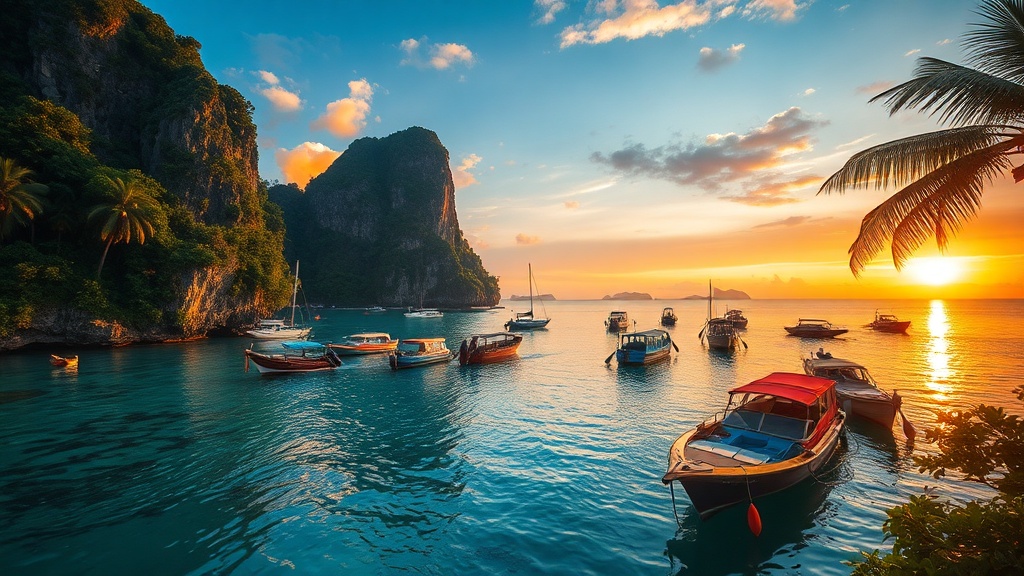
Island Hopping Paradise: Discovering the Philippines' Hidden Tropical Gems

The Philippines consists of over 7,600 islands—many untouched by mass tourism. While Boracay and Palawan dominate travel brochures, hundreds of lesser-known paradises offer pristine beaches, crystal waters, and authentic cultural experiences without the crowds. This guide reveals the hidden tropical gems that make the Philippines the ultimate island hopping destination—complete with practical logistics, cost breakdowns, and where to stay.
What Are the Best Hidden Islands in the Philippines for First-Time Visitors?
First-timers should prioritize islands that balance accessibility with an off-the-beaten-path feel. Siargao—famous for surfing—has become mainstream, but nearby islands deliver that untouched magic. Bucas Grande in Surigao del Norte offers the stunning Sohoton Cove (limestone karsts surrounding emerald lagoons) with a fraction of El Nido's tourist volume. You'll need to arrange a boat tour from Socorro town—budget around ₱1,500 for a full day including lunch.
Camiguin Island sits off Mindanao's northern coast. It's reachable via ferry from Balingoan—about 90 minutes. Here, White Island (a sandbar visible only at low tide) provides that classic "desert island" photo opportunity. Mantigue Island, a marine sanctuary just 20 minutes by pump boat from the main island, delivers exceptional snorkeling. The fish practically swim into your mask.
Here's the thing: these islands require more effort than flying direct to Boracay. But that's exactly why they remain special. Worth noting—Camiguin has proper infrastructure (decent roads, ATMs, 4G coverage) despite its sleepy vibe.
Siquijor: The Island of Fire
Don't let the witchcraft reputation scare you off. Siquijor—accessible via ferry from Dumaguete or Bohol—delivers some of the Philippines' most dramatic coastal scenery. Paliton Beach rivals Boracay's White Beach for sand quality (that powdery, sugar-fine texture) but you'll share it with maybe a dozen others. Salagdoong Beach features concrete diving platforms at 10 and 20 meters—thrilling for adrenaline junkies, terrifying for everyone else.
The island's interior hides Cambugahay Falls—a three-tiered cascade with rope swings. Local kids show off backflips while tourists struggle to hold on. Entry costs ₱20. Parking's another ₱20. That's it.
Accommodation runs the gamut. Tropical Fun Ta Sea Rentals offers native-style bungalows starting at ₱800 nightly. For something more upscale, Infinity Heights Resort provides infinity pools and sunset views—but honestly, the beachfront budget spots capture Siquijor's essence better.
How Much Does Philippines Island Hopping Actually Cost?
Budget travelers can island hop comfortably on ₱2,500–3,500 per day ($45–65 USD). Mid-range travelers should expect ₱5,000–8,000 ($90–145 USD). Luxury seekers won't find many five-star resorts on these hidden islands—part of their charm—though boutique properties like Atmosphere Resorts & Spa in Dumaguete (₱8,000+ nightly) provide world-class diving infrastructure with easy access to Apo Island.
| Expense Category | Budget Option | Mid-Range Option | Notes |
|---|---|---|---|
| Accommodation (per night) | ₱500–1,000 | ₱2,000–4,000 | Native cottages vs. boutique resorts |
| Island Hopping Tour | ₱800–1,500 | ₱2,000–3,500 | Shared vs. private boat |
| Meals | ₱400–600 | ₱1,000–1,500 | Local carinderias vs. resort restaurants |
| Inter-island Ferry | ₱200–500 | ₱800–1,500 | Ro-ro vs. fast craft |
| Scooter Rental (daily) | ₱300–400 | ₱500–700 | Manual vs. automatic transmission |
The catch? ATM availability varies dramatically. Camiguin has several banks. Siquijor has a handful in San Juan and Larena. Bucas Grande? Bring cash—lots of it. No ATMs on the island itself.
Which Philippine Islands Have the Best Snorkeling and Diving?
Apo Island off Negros Oriental remains the undisputed champion for accessible snorkeling. This volcanic island—home to roughly 1,000 residents—sits within a protected marine sanctuary. Green sea turtles feed on seagrass beds just meters from shore. They're accustomed to humans (too accustomed, some argue) and allow remarkably close encounters. Don't touch them—it's illegal, and frankly, rude.
For divers, the Visayas region offers world-class sites without the Liveaboard price tags common in Tubbataha. Malapascua Island (Cebu) delivers thresher shark sightings at Monad Shoal—an early morning dive since these deep-water sharks ascend to cleaning stations at dawn. Divers at Evolution Dive Resort report 90%+ sighting rates during dry season months (December–May).
That said, beginners should consider Moalboal on Cebu's southwest coast. Panagsama Beach offers shore entry to a drop-off where millions of sardines form tornado-like bait balls. You can snorkel this. No dive certification required. The experience rivals anything on Discovery Channel—and you're swimming through it.
Coron's Hidden Lagoons
Palawan's Coron Island technically belongs to the Calamian Islands—not truly "hidden" anymore, but most visitors stick to Kayangan Lake and Twin Lagoon. The real treasures require longer boat rides.
Barracuda Lake features thermoclines where 28°C surface water suddenly drops to 38°C at depth. The visual effect—shimmering layers like oil on water—feels otherworldly. Divers love it. Snorkelers find the upper sections less dramatic but still worthwhile.
Smith Point Beach, accessible only through a narrow rock opening at specific tides, delivers that "secret beach" fantasy. Your boatman will know the timing. Trust him. These guys have memorized tidal patterns across dozens of islands.
When Is the Best Time to Go Island Hopping in the Philippines?
Dry season runs November through May—with March to May offering the calmest seas and hottest temperatures (sometimes uncomfortably so). January and February provide ideal conditions: minimal rainfall, moderate heat, and reliable ferry schedules.
Typhoon season (June–October) isn't automatically off-limits. The Visayas and Mindanao regions lie outside the main typhoon belt. Camiguin, Siargao, and Siquijor experience fewer cancellations than Manila or Bicol. Prices drop 30–40%. Beaches empty out. You'll need flexibility—ferries sometimes suspend service with 24 hours' notice—but adventurous travelers find this the sweetest window.
Here's the thing about "best time" advice: it assumes everyone's priorities align. Hate crowds? Avoid Holy Week (March/April) and Christmas break entirely. Prices triple. Ferries sell out weeks ahead. The beaches you came to experience? Packed with Filipino families celebrating—wonderful culturally, frustrating photographically.
Practical Transportation Tips
Getting between these islands requires patience. The Philippines' transport infrastructure—while improving—remains fragmented. Major carriers like Cebu Pacific and Philippine Airlines connect Manila to hubs like Dumaguete, Surigao, and Camiguin's Benoni port area (via Cagayan de Oro, then bus/ferry). From there, pump boats and ro-ro ferries handle inter-island hops.
Booking ferry tickets in advance isn't always possible—many operators lack online systems. Show up early. Bring cash. Pack snacks (vendors at small ports are hit-or-miss). Download offline maps—cell service disappears between islands.
Scooter rental represents the best investment for independent exploration. That said, road conditions vary from "acceptable" to "adventure sport." In Siquijor, the circumferential road is paved and pleasant. In rural Mindanao, potholes could swallow small children. Drive defensively. Locals know these roads intimately; you don't.
What Should You Pack for Philippines Island Hopping?
Pack light—but strategically. Reef-safe sunscreen (marine sanctuaries increasingly ban chemical sunscreens—bring zinc oxide-based options like Raw Elements or Sun Bum Mineral). A dry bag for boat rides (waves splash; electronics sink). Water shoes for rocky entries at beaches like Salagdoong.
Power banks are non-negotiable. Electricity on smaller islands runs on generators with scheduled blackout periods. Most accommodations provide charging during evening hours only. A 20,000mAh Anker or similar brand keeps devices alive through sunset photo sessions.
Quick-dry towels, sarongs (multipurpose: beach cover, shade, blanket), and a basic first aid kit complete the essentials. That said, don't overpack. Laundry services cost ₱50–100 per kilo almost everywhere. Embrace the minimalist traveler's lifestyle—three changes of clothes, wash, repeat.
"The Philippines isn't a destination you conquer. It's a place that reveals itself slowly—one ferry delay, one unexpected beach, one conversation with a boatman at a time."
Island hopping here rewards flexibility above all else. The "hidden gems" aren't secret anymore—not really. Instagram exposed them years ago. But their remoteness protects them. You won't find Cancun-style development. No international hotel chains. Just turquoise water, limestone cliffs, and the gentle rhythm of provincial Filipino life.
Start with Camiguin and Siquijor. Add Apo Island for underwater thrills. Branch into Bucas Grande if time permits. Each island adds another shade to your understanding of what tropical paradise actually means—and why the Philippines delivers it more authentically than anywhere else in Southeast Asia.