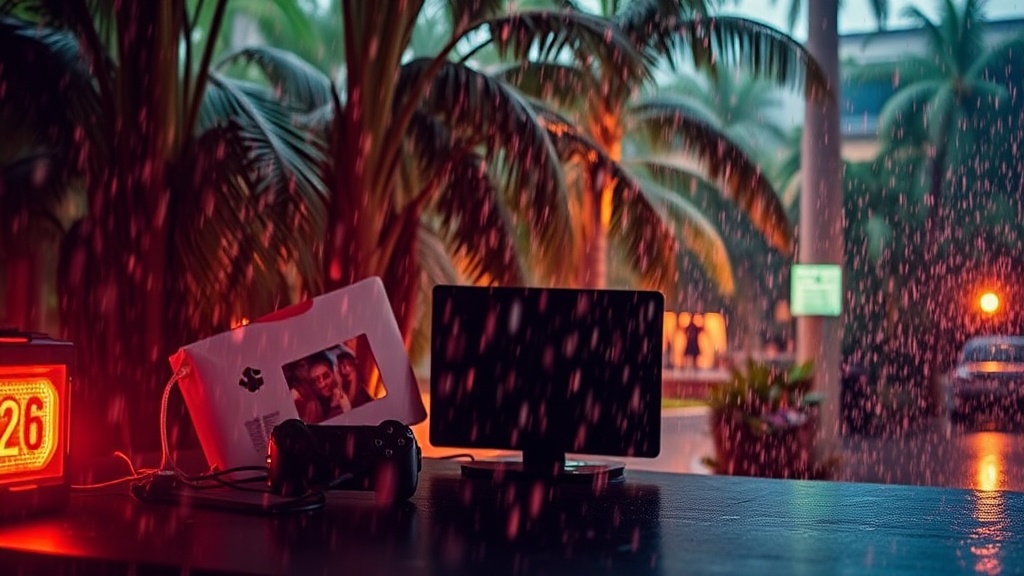
Keep Your Electronics Dry in Tropical Humidity

Quick Tip
Always use airtight dry bags and silica gel packets to combat moisture-induced damage.
Humidity levels in tropical coastal regions can exceed 90%, a level that causes even tiny amounts of moisture to settle inside your devices. This post covers how to protect your camera, phone, and laptop from the moisture-heavy air that ruins electronics during island hopping. If you don't take precautions, salt air and humidity will corrode your charging ports and internal circuits before your trip is even over.
How Do I Protect My Phone from Humidity?
The best way to protect your phone is to keep it in a sealed, airtight environment whenever it isn't in active use. Most travelers rely on Ziploc-style heavy-duty freezer bags to create a temporary moisture barrier. While it seems simple, it actually works wonders for preventing condensation from forming on your lens or screen.
If you're traveling through high-moisture areas—like when you're navigating the Caribbean via local ferries—the salt spray is just as dangerous as the humidity. I always keep a small pouch of silica gel packets in my day bag. These little packets are the same ones you find in shoe boxes (and they're lifesavers).
Which Gear Works Best for Tropical Travel?
Hard-shell, waterproof cases and specialized dry bags provide the most reliable protection against both humidity and sudden tropical downpours. You'll want gear that is rated for more than just "splash resistance."
Here is a quick breakdown of the gear I trust for different scenarios:
| Gear Type | Best For | Example Brand/Product |
|---|---|---|
| Dry Bag | Loose items/clothing | Sea to Summit Dry Sack |
| Hard Case | Cameras & Lenses | Pelican Protector Case |
| Silica Packets | Small electronics/batteries | Generic silica gel packets |
Does Humidity Damage Batteries?
Yes, high humidity and heat can cause battery degradation and even lead to short circuits if moisture enters the casing. When the air is thick, the internal temperature of your device can rise, making the battery work harder and potentially shortening its lifespan.
Don't leave your electronics in a hot car or sitting on a beach towel. The heat combined with the moisture creates a "sauna effect" for your tech. Instead, keep your electronics in a cool, shaded spot—ideally inside a sealed bag with a desiccant.
If you notice your camera lens fogging up, it's time to pull it out of your bag and let it acclimate in a dry environment. A quick tip: never open a sealed bag of electronics in a humid room; open it in an air-conditioned space or a room with a dehumidifier to prevent immediate condensation.