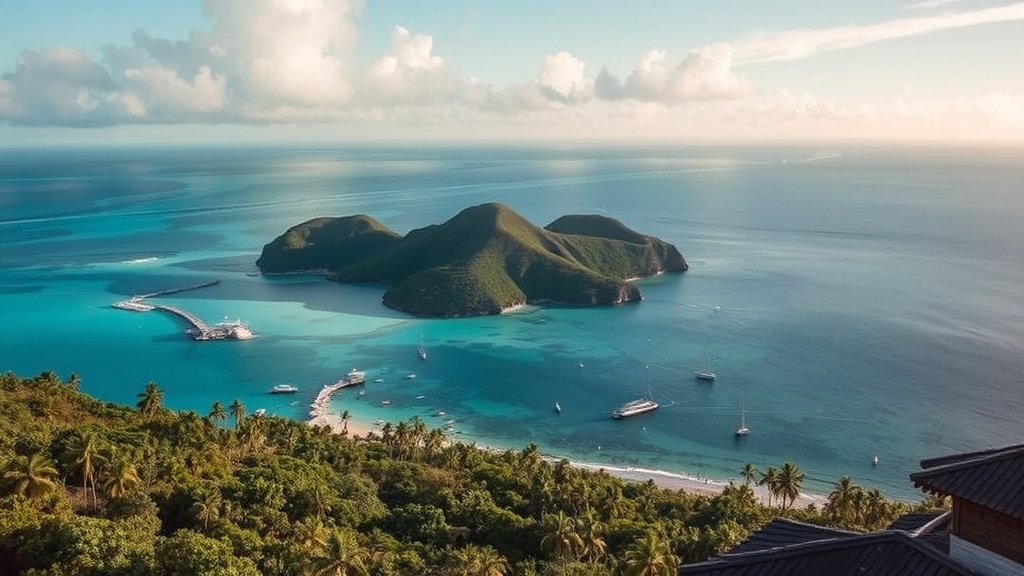
Seven Caribbean Islands That Feel Worlds Away From The Tourist Path

Imagine standing on a slushy Philadelphia street corner, the wind whipping through your coat while you wait for a delayed SEPTA bus. You're scrolling through your phone, seeing the same three over-crowded beaches in Nassau or Punta Cana—the ones where you're basically sitting on top of a stranger’s towel. This post covers the Caribbean's quieter corners, those spots where the silence is only broken by the sound of waves hitting the reef. We aren't looking at the massive all-inclusives or the cruise ship ports; we're looking at the islands that require a little more effort to reach but reward you with empty stretches of white sand and a sense of true isolation.
Why do travelers prefer quiet islands over big resorts?
Most people think a tropical vacation means a buffet line and a crowded pool bar. While there's a time and place for that, the real magic happens when you step away from the pre-packaged experiences. Quiet islands offer a chance to actually meet locals, eat food that isn't mass-produced—and see ecosystems that haven't been trampled by thousands of feet every day. You aren't just a room number here; you're a guest in a living community. It's about finding that balance between comfort and the raw beauty of the tropics—something you won't find at a mega-resort with 500 identical rooms (no matter how many palm trees they plant around the pool). You’ll find that the experiences you have in these smaller spots stay with you much longer than a week spent at a standard hotel.
1. Grenada: The Spice Isle with a Secret Side
Grenada often gets overshadowed by its neighbors, but it's one of the most vibrant spots in the West Indies. You'll smell the nutmeg and mace in the air before you even step off the plane. While Grand Anse is the famous beach, head over to La Sagesse for a more secluded feel. It's a crescent-shaped bay where the water is calm and the palm trees provide natural shade. You won't find rows of rental chairs here. Instead, you'll find a small guest house and maybe three other people. The island's interior is just as impressive, with rainforests and waterfalls that feel completely untouched. The island's history as a spice producer isn't just a marketing slogan; it's something you experience every time you sit down to eat. The local oil down—a hearty one-pot stew—is a masterpiece of flavor that reflects the island’s heritage. Exploring the capital, St. George’s, is a highlight in itself. The harbor is often called the most beautiful in the Caribbean—with its horseshoe shape and colorful buildings climbing up the hillside (it’s a town that feels lived-in and authentic).
2. Bonaire: Where the Shore is the Gateway
If you're into what's happening under the water, Bonaire is unbeatable. It's part of the ABC islands, sitting outside the hurricane belt, which makes it a great year-round option. The entire coastline is a protected marine park. Unlike other islands where you have to book a boat trip to see a reef, here you just pull your truck over and walk into the water. The freedom is intoxicating. You'll see yellow-painted stones marking dive sites along the road. It's a DIY paradise for anyone who prefers a snorkel mask to a cocktail umbrella. You’ll spend your days driving a rented pickup truck along the coast, looking for those stones. When you find one, you just park, gear up, and walk into the blue. There’s a level of independence here that you just don’t get on other islands. The reefs are incredibly healthy, teeming with parrotfish, turtles, and the occasional eagle ray. The Bonaire National Marine Park has set the standard for reef protection globally.
Which Caribbean island has the best underwater scenery?
While many islands claim to have the best diving, Bonaire and Dominica usually take the crown for different reasons. Bonaire offers ease of access, but Dominica provides a dramatic, volcanic backdrop that is unlike anything else in the region. If you want to see healthy coral and a diversity of fish without the crowds of the Caymans, these are your best bets. The visibility in these waters often exceeds 100 feet on a clear day, allowing you to see every detail of the sponge gardens and sea fans. It’s a different world down there, and on these islands, you don’t have to share it with fifty other snorkelers.
3. Culebra, Puerto Rico: A Slice of Untouched Beauty
Just a short ferry ride or a tiny plane hop from the main island of Puerto Rico, Culebra feels like it belongs in another decade. There are no high-rise hotels or fast-food chains. Flamenco Beach is often cited as one of the best in the world, and for good reason—the sand is like powdered sugar. But don't stop there. Hike over to Carlos Rosario Beach for some of the best shore snorkeling you can find. You'll probably be sharing the trail with a few iguanas. The island’s history as a former Navy gunnery range has actually helped preserve its natural state, as large-scale development was stalled for decades. You can still see a couple of rusted, graffiti-covered tanks on the beach at Flamenco, serving as a strange, silent reminder of the past. Nowadays, the only things occupying the sand are visitors and the occasional nesting sea turtle. The water is so clear that you can see your own shadow on the sandy bottom while you’re swimming. It’s the kind of place where you rent a Jeep or a golf cart—or maybe just a sturdy pair of sandals—and see where the dirt roads lead.
4. Dominica: The Nature Island
Dominica isn't for the traveler who wants to sit on a beach all day with a book. In fact, most of the beaches here are volcanic black sand. This island is for the hikers, the birdwatchers, and the people who want to see what the Caribbean looked like before developers moved in. It’s home to the Waitukubuli National Trail, the longest hiking trail in the Caribbean. You can trek to Boiling Lake or swim in the Emerald Pool, which looks like something out of a movie set. The lushness is overwhelming—everything is green, and waterfalls seem to hide behind every corner. The island’s commitment to conservation is evident everywhere you look. Check out the Morne Trois Pitons National Park for a look at the island's UNESCO-protected volcanic peaks. You’ll find the terrain is rugged, but the rewards are breathtaking.
What is the best way to prepare for a remote beach vacation?
Remote islands don't have a CVS on every corner. You need to be self-sufficient. That means packing a high-quality reef-safe sunscreen, a reusable water bottle, and any specific medications you might need. Don't expect high-speed Wi-Fi in every cafe. Instead, download your maps for offline use and bring a physical book. It's also worth checking the local holiday schedule; on smaller islands, everything might shut down for a local festival or a Sunday morning church service. Being prepared isn't just about gear; it's about shifting your mindset to a slower pace of life. You’ll find that once you stop checking your emails every five minutes, the rhythm of the island starts to feel much more natural. It’s a vital part of the experience.
5. Saba: The Unspoiled Queen
Saba is a literal mountain sticking out of the sea. There are no traditional sandy beaches here, which keeps the sun-and-sand crowds away. What you get instead is incredible hiking and some of the best scuba diving in the world. The island is only five square miles, and the main road is simply called The Road. It was built by hand by locals after engineers said it couldn't be done. The villages, like Windwardside and The Bottom, are filled with white cottages with red roofs and green shutters. It’s incredibly picturesque. If you climb Mt. Scenery, you’re standing on the highest point in the Kingdom of the Netherlands. The view from the top is worth every one of those 1,064 stone steps. It’s a workout, but the sight of the neighboring islands peeking through the clouds is a reward you can't get anywhere else. You’ll find that the pace here is dictated by the ferry schedule and the wind, not by a resort itinerary.
6. Anguilla: Low-Key Luxury and 33 Beaches
Anguilla is where you go when you want top-tier food and stunning beaches without the flashiness of St. Barts. The island is flat, coral-based, and has some of the clearest turquoise water you'll ever see. Shoal Bay East is the heavy hitter, but every one of the 33 beaches is public and pristine. The dining scene is legendary, ranging from roadside BBQ shacks to high-end spots that would hold their own in Philadelphia. There’s a quiet confidence to Anguilla. It doesn’t need to shout about how beautiful it is; the sand does the talking. You can spend a whole day at Rendezvous Bay and only see a handful of people. It’s a place for long lunches and afternoon naps under a sea grape tree. What’s particularly special about Anguilla is the live music scene. You can find world-class musicians playing at beach shacks like Bankie Banx’s Dune Preserve, where the vibe is completely unpretentious.
7. Barbuda: The Pink Sand Retreat
Barbuda is the quiet sibling of Antigua. After being hit hard by a major hurricane in 2017, the island has been slowly and carefully rebuilding. It’s famous for its 17-mile stretch of beach that often takes on a pinkish hue thanks to tiny crushed shells. It’s also home to the largest Frigate Bird colony in the western hemisphere. You won't find many paved roads here. It’s an island for the true adventurer who wants to disconnect entirely. If you want a beach where yours are the only footprints, Barbuda is the place. You can find more about their conservation efforts through the Antigua and Barbuda Department of Environment. The isolation is the draw. You’ll feel like you’ve reached the end of the map, in the best way possible. It’s raw, it’s beautiful, and it’s a reminder of what the Caribbean felt like before the age of mass tourism.
The choice of island depends on what you're willing to trade. If you trade a resort pool for a hidden cove, or a buffet for a local fish fry, you'll find a version of the Caribbean that most people never see. These islands aren't just places to visit; they’re places that remind you how big and beautiful the world can be when you step off the beaten path. It’s about the silence, the salt air, and the feeling of the sun on your skin without a thousand other people around to share it. You’ll go home with sand in your shoes and a much clearer head, which is exactly why we travel in the first place.