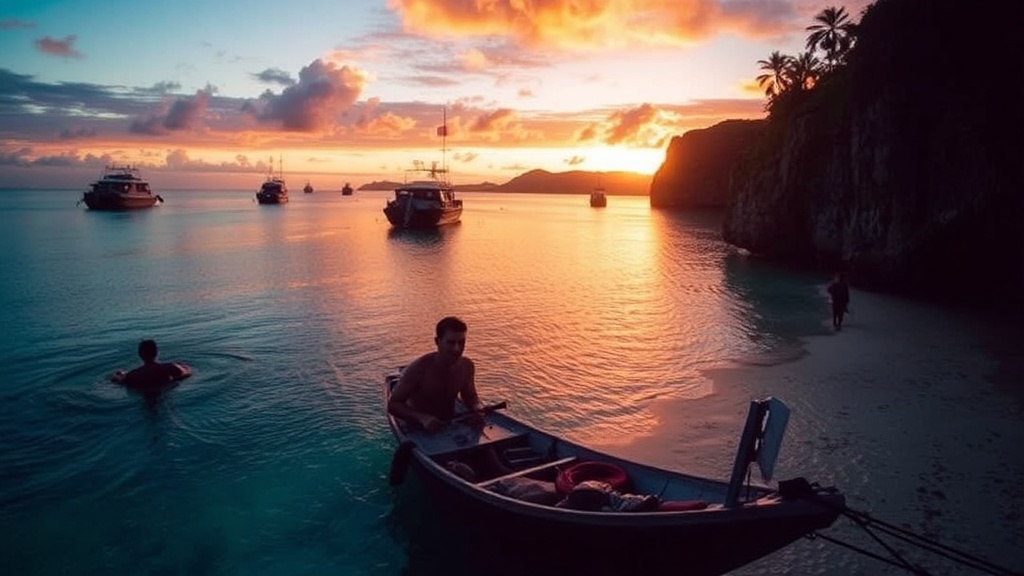
The Ultimate Guide to Island Hopping in the Philippines

What Makes the Philippines the Best Island Hopping Destination?
The Philippines offers over 7,600 islands scattered across the western Pacific, making it arguably the most rewarding island hopping destination on Earth. This guide covers everything from planning multi-day boat expeditions through the Palawan archipelago to finding the quietest sandbars in the Visayas. Whether you're mapping out a two-week itinerary or looking for that perfect hidden lagoon, you'll find practical route advice, cost breakdowns, and the specific gear that actually matters when you're bouncing between islands on small outrigger boats.
Here's the thing about Philippine island hopping: it's not a single experience. The country spans three major island groups—Luzon in the north, Visayas in the center, and Mindanao in the south—each with distinct personalities, weather patterns, and accessibility challenges. What works in El Nido won't fly in Siargao. That said, understanding the regional differences upfront saves both money and disappointment.
How Much Does Island Hopping in the Philippines Actually Cost?
Island hopping in the Philippines ranges from budget day trips at $15-25 per person to private multi-day liveaboard experiences costing $200-400 daily, depending on location and comfort level. Most travelers fall somewhere in the middle—joining group tours in popular spots while splurging on private boats for specific experiences.
Costs vary dramatically by region. Coron and El Nido in Palawan command premium prices because of international demand. A standard group tour A (the "must-see" lagoons route) in El Nido runs about 1,400 PHP ($25) including lunch and environmental fees. Private boats start at 4,000-6,000 PHP ($70-105) for the day—worth it if you're traveling with three or more people and want flexibility.
Head to less touristy areas like Romblon or Camiguin and prices drop significantly. A full-day private boat charter in Romblon might cost 2,500 PHP ($45) total. The catch? Infrastructure thins out. You won't find tour operators with perfect English and Instagram-ready lunches. You'll get fresh-caught fish cooked over charcoal on a quiet beach instead—arguably better, but know what you're signing up for.
Here's a realistic breakdown of what a 10-day island hopping trip might cost at different comfort levels:
| Expense Category | Budget (Hostels/Group Tours) | Mid-Range (Hotels/Private Days) | Comfort (Resorts/Mixed) |
|---|---|---|---|
| Accommodation (10 nights) | $150-250 | $400-700 | $1,000-2,000 |
| Island Hopping Tours | $100-150 | $200-350 | $400-600 |
| Inter-island Transport | $80-120 | $150-250 | $300-500 |
| Food & Drinks | $80-120 | $200-350 | $400-600 |
| TOTAL (10 days) | $410-640 | $950-1,650 | $2,100-3,700 |
The Hidden Costs Nobody Mentions
Environmental fees stack up fast. El Nido charges 200 PHP per person. Coron adds 300 PHP. Some individual islands tack on another 50-150 PHP. These fees support local conservation—worth paying—but budget an extra $20-30 for a two-week trip.
Travel insurance that covers boat accidents and emergency evacuation is non-negotiable. Standard policies often exclude "adventure activities" or have altitude limits that don't apply to boats but might affect other plans. World Nomads and SafetyWing both offer plans specifically designed for extended Southeast Asia travel including water activities. Expect to pay $40-80 for a month of coverage.
Which Philippine Islands Should Be on Your Itinerary?
The best Philippine island hopping itineraries combine established destinations with at least one or two lesser-known spots to escape the crowds. Most first-time visitors focus on Palawan (El Nido and Coron), Cebu (Bantayan, Malapascua, Moalboal), and Siargao. Veterans often add Romblon, Siquijor, or Camiguin to the mix.
El Nido delivers the classic "tropical paradise" imagery—limestone karsts jutting from turquoise water, hidden lagoons you kayak into at high tide, beaches backed by coconut groves. It's stunning. It's also crowded. Tour A and Tour C (the most popular routes) see 20-30 boats daily. Worth noting: the actual stops are magnificent despite the crowds. Small Lagoon at 7 AM, before the day-trippers arrive, justifies the hype.
Coron, farther north in Palawan, offers better diving—several WWII shipwrecks rest in shallow, clear water—and slightly fewer tourists. The tradeoff is less dramatic karst scenery and fewer pristine beaches. Most travelers choose one or split time between both. The 2Go Travel overnight ferry connects them (about 4-6 hours depending on the vessel), or you can fly from Busuanga (Coron) to El Nido on AirSWIFT for roughly $100.
Siargao has transformed from a surf destination into an island hopping hub. The Sugba Lagoon, Sohoton Cove, and the tri-island tour (Guyam, Daku, Naked Island) offer variety that Palawan can't match—mangrove channels, jellyfish sanctuaries (non-stinging species), sandbars that appear only at low tide. The vibe here is more developed than Palawan but less polished than Boracay. Think beach bars with decent cocktails and reliable WiFi, but also motorbike taxis and dirt roads.
Sample Two-Week Route
Fly into Cebu City. Spend one night recovering from jet lag. Take the morning ferry to Bohol (2 hours) for two days of Chocolate Hills and tarsier spotting—not technically island hopping, but a logical warm-up. Ferry to Siquijor (1.5 hours) for three days of waterfalls, cliff jumping, and the most underrated beaches in the Visayas. Fly from Dumaguete to Siargao for five days of surfing and boat tours. Finish with four days in El Nido or Coron, flying out of Puerto Princesa or Busuanga.
This route skips Manila entirely. That's intentional. The capital adds logistical complexity without proportional rewards for beach-focused travelers. That said, if you're flying Philippine Airlines or Cebu Pacific, you might connect through NAIA anyway. Don't schedule tight connections—Philippine domestic flights run on "island time" with frequent delays.
What Gear Do You Actually Need for Philippine Boat Tours?
Forget the trekking poles and hiking boots. Philippine island hopping demands waterproof protection for electronics, reef-safe sunscreen (some areas ban chemical sunscreens), and water shoes with actual grip. The "boats" are typically narrow bangkas—wooden outrigger vessels with bamboo stabilizers. Space is limited. Comfort is minimal. You'll get wet.
A dry bag is mandatory, not optional. The 20-liter Sea to Summit Lightweight Dry Sack works well for day trips. For overnight liveaboards (common in Coron for reaching remote atolls), size up to 40 liters. Keep phones and cameras in a separate smaller dry pouch inside the main bag—double protection matters when waves splash over the gunwales.
Water shoes with thick rubber soles save your feet from sea urchins and sharp coral. The KEEN Newport H2 sandals handle wet decks better than mesh sneakers, though any closed-toe water shoe works. Flip-flops slide off too easily. Going barefoot on limestone cuts invites infection in tropical climates.
Sun protection requires intention. The Philippine sun—especially between 10 AM and 2 PM—will burn unprotected skin in 20 minutes. Reef-safe zinc oxide (Raw Elements Face + Body SPF 30 performs well) protects both you and the ecosystems you're visiting. Many tour operators now check bags and confiscate chemical sunscreens containing oxybenzone or octinoxate at the dock.
The Snorkeling Gear Question
Should you bring your own mask and snorkel? Yes—if you have a good fit. Rental gear in the Philippines ranges from serviceable (El Nido, Coron) to questionable (remote islands). A leaking mask ruins the experience at spots like Siete Pecados in Coron or the coral gardens off Siargao. The Cressi F1 frameless mask packs small and seals well on most face shapes. Pair it with any dry-top snorkel.
Leave the dive computer and BCD at home unless you're planning technical dives. The Philippines has world-class diving, but that's a different article. Surface snorkeling requires minimal equipment.
When Is the Best Time to Go Island Hopping in the Philippines?
The dry season from December through May offers the calmest seas and clearest skies for island hopping, with March and April providing the best combination of good weather and manageable crowds. The southwest monsoon (habagat) runs June through October, bringing heavy rains and rough seas that cancel boats for days at a time.
That said, "dry season" doesn't guarantee perfection. December and January see occasional cold fronts and stronger winds, especially in the northern islands. February through April represent the sweet spot—predictable sunshine, flat water, and (relatively) cooler temperatures before the pre-monsoon heat arrives in May.
Typhoon season technically runs year-round but peaks July through October. A single typhoon can disrupt travel for a week across multiple regions. If you're traveling during these months, build flexibility into your itinerary. Don't book non-refundable ferries or flights on back-to-back days. The PAGASA (Philippine weather service) provides accurate tropical cyclone tracking.
Shoulder Season Strategy
November and early December offer a compelling alternative. Prices drop 30-40% from peak season. The weather is usually fine—maybe one rainy day per week. The tradeoff is some tourist infrastructure (restaurants, tour operators) operating at reduced capacity or closed for renovations. If you're comfortable with slight uncertainty, this is when savvy travelers visit.
Is Island Hopping in the Philippines Safe?
Philippine island hopping is generally safe for tourists who book through established operators and exercise basic precautions about weather and boat conditions. The primary risks—sunburn, jellyfish stings, and minor cuts from coral—are manageable with preparation. Major incidents are rare but usually involve ignoring weather warnings or choosing unlicensed boat operators.
Here's the thing about safety in the Philippines: the standards differ from Western expectations. Boats may lack life jackets for every passenger. Engines might be jury-rigged. Captains sometimes push through marginal weather to avoid refunding deposits. You have to advocate for yourself.
Check the weather independently before booking. If PAGASA issues a gale warning for your area, boats should not operate—regardless of what your hotel or tour operator claims. Insist on life jackets. Test them before departure. If a boat looks overloaded or the captain seems intoxicated (rare but not unheard of), walk away and find another operator. Your deposit isn't worth your safety.
Marine life poses minimal threat. Box jellyfish appear seasonally in some areas—ask locals about "stingers" before swimming. Stonefish rest on rocky bottoms; shuffle your feet rather than stepping firmly. Sea snakes (banded sea kraits) are venomous but docile. Give them space and they'll return the favor.
Solo Female Travelers
The Philippines ranks among the safer Southeast Asian destinations for solo women, but harassment happens—mostly verbal, occasionally persistent. Island hopping tours themselves are safe; you're rarely alone with a single operator. Standard precautions apply: don't accept drinks you didn't watch being prepared, trust your instincts about uncomfortable situations, and share your itinerary with someone reliable.
Practical Booking Tips
Book your first island hopping tour in advance through established operators like Tao Philippines (for multi-day expeditions) or your accommodation. For subsequent days, book directly with local operators at the dock—you'll pay 20-30% less than online prices and can inspect the boat before committing.
Always confirm what's included. "Lunch" might mean fresh grilled fish and rice, or it might mean a single piece of chicken and a banana. Ask specifically: What food? How many snorkeling stops? Which specific islands? How many people on the boat? Get it in writing (WhatsApp message counts).
Cash rules the islands. ATMs exist in El Nido town, Coron town proper, and General Luna on Siargao, but they're unreliable. Bring enough Philippine pesos for your entire island stint. USD can be exchanged in towns but not on remote beaches. Tipping isn't mandatory but appreciated—100-200 PHP for boat crew on a good day.
Pack light. You'll live in swimwear and quick-dry shorts. One nice outfit for dinners. Leave the laptop unless you're working remotely (and even then, consider whether you want the weight and worry). The best island hopping experiences happen when you're not managing excess stuff—just you, the boat, and thousands of islands waiting to be explored.