Tropical Islands with the Best Night Markets

The Sizzling Streets of Phuket, Thailand
Chiang Mai Night Bazaar Wonders
Bali's Evening Street Food Scene
Manila's Lively Night Markets
The Colorful Night Markets of Siem Reap
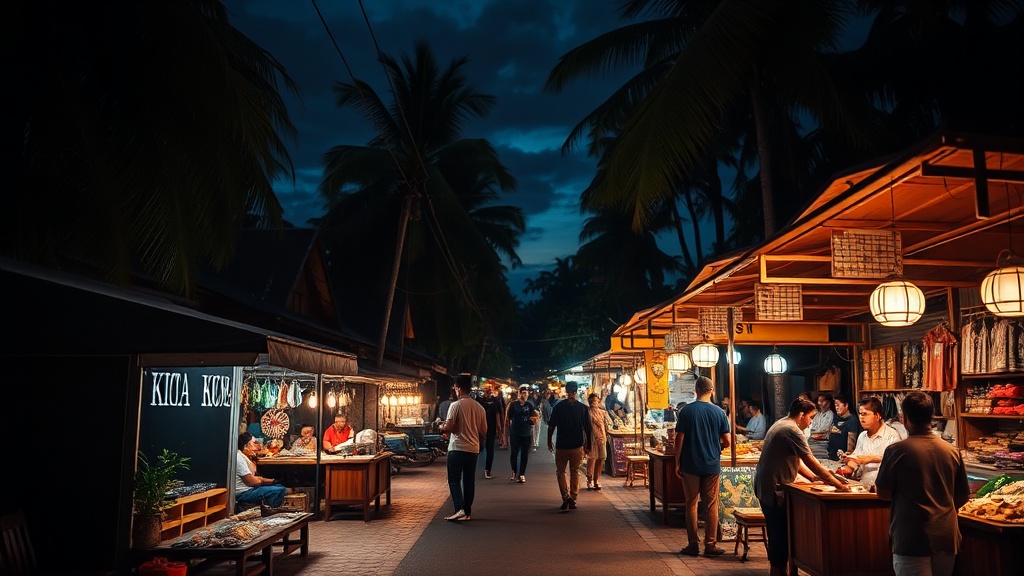
Imagine a humid evening where the scent of lemongrass and grilled seafood hits you before you even see the lights. The street is a blur of neon signs, sizzling woks, and the rhythmic sound of heavy metal spatulas hitting iron. You aren't looking for a white-tablecloth dinner; you're looking for the soul of the island. This post explores the best tropical destinations where the night market culture defines the evening experience. We'll look at specific locations in Southeast Asia and the Caribbean to help you decide where to spend your vacation nights.
Where are the best night markets in Southeast Asia?
The best night markets in Southeast Asia are found in Thailand, Vietnam, and Indonesia, where street food and local crafts collide.
Thailand is the heavy hitter here. If you find yourself in Phuket or Chiang Mai, the night markets aren't just a side activity—they're the main event. In Chiang Mai, the Sunday Walking Street is legendary. It's a massive stretch of vendors selling everything from hand-painted silks to spicy papaya salads. You'll find the atmosphere is electric, almost dizzying, but it's worth the chaos.
Vietnam offers a different vibe. The markets in Hoi An or Hanoi feel more intimate, often centered around specific street corners or riverfronts. You can grab a bowl of Banh Mi or a steaming plate of Pho for just a few dollars. It's cheap, it's delicious, and it's the best way to see how locals actually live.
Indonesia is another heavy hitter. Bali has a massive scene, especially in Ubud and Seminyak. The markets here often blend traditional Balinese spirituality with modern tourism. One minute you're looking at a handmade wood carving, and the next you're eating Satay skewers over a charcoal flame. It's a sensory overload in the best way possible.
If you want to understand the deeper culinary roots of these islands, check out my previous deep dive into island flavors and spices of the Indonesian Archipelago. It'll give you a head start on what to look for in those market stalls.
Top Southeast Asian Market Styles
- The Food Hall Style: Large, organized areas with many stalls, often found in tourist hubs like Phuket.
- The Street Crawl: Long, winding streets where vendors set up temporary stalls (think Chiang Mai).
- The Night Bazaar: A mix of high-quality textiles, crafts, and quick-bite snacks.
What should you eat at a tropical night market?
You should look for high-heat cooked foods like grilled meats, stir-fried noodles, and fresh tropical fruits to ensure freshness and safety.
The rule of thumb is simple: follow the crowd and the steam. If a stall has a line of locals, the food is likely fresh. I always look for vendors using high-heat woks or open flames. The heat kills most bacteria, and the fast turnover means the ingredients haven't been sitting out in the humidity for hours.
In Thailand, don't skip the Mango Sticky Rice. It's a classic for a reason. In Vietnam, look for the vendors selling Banh Mi—the crusty bread and savory fillings are perfect for eating while walking. If you're feeling adventurous, try the grilled squid in Bali. It's salty, smoky, and incredibly satisfying.
A quick tip for the cautious traveler: stick to bottled water or tea that has been boiled. While the fruit is usually safe if you peel it yourself (like a mango or banana), avoid anything with raw juices or unpeeled garnishes. It's a small way to avoid a ruined beach day later.
| Food Category | Top Pick (Thailand) | Top Pick (Vietnam) | Top Pick (Indonesia) |
|---|---|---|---|
| Savory Snack | Pad Thai | Banh Mi | Satay |
| Sweet Treat | Mango Sticky Rice | Banana Fritters | Es Teler |
| Drink | Thai Iced Tea | Coconut Coffee | Fresh Coconut Water |
How much does it cost to eat at a night market?
Eating at a night market is incredibly affordable, typically costing between $2 and $7 USD per meal depending on the dish.
One of the greatest things about these markets is the price. You can walk around with a handful of change and feel like a king. A plate of noodles might cost you $1.50, while a more complex dish with seafood might run you $5.00. It's a far cry from the prices you'll see in the resort restaurants or the hotel dining rooms.
Most vendors prefer cash. Don't expect to tap a credit card at a noodle stall. Even if you have a high-end travel card, you'll want to carry small denominations of local currency. Having small bills makes the transaction much faster and keeps the line moving—which is a courtesy to the person behind you, too.
For more tips on how to navigate these types of environments, see my guide on finding and navigating remote tropical island markets. It covers a lot of the logistical side of things that can be tricky for first-timers.
Where can you find great night markets in the Caribbean?
Caribbean night markets are often more localized and can be found in major hubs like San Juan, Puerto Rico, or through local street festivals in Jamaica and Barbados.
The Caribbean vibe is a bit different from the Southeast Asian model. While the massive, nightly "bazaars" aren't as common in every single town, the concept of the street market is deeply ingrained in the culture. In places like San Juan, the energy of the streets at night is palpable. You might find a small pop-up or a localized food vendor rather than a massive organized market.
The key here is to look for "Food Trucks" or "Street Food Festivals." These are the modern versions of the traditional night market. They often gather in coastal areas or near popular beaches. The food is usually heavy on spices, jerk seasoning, and fresh seafood. It's less about buying a souvenir t-shirt and more about the social experience of eating under the stars.
If you're traveling between islands, you might even encounter these via local transport routes. I've seen many travelers use local ferries and mail boats to reach smaller islands where these community-driven food events are the heartbeat of the evening. These smaller islands often have much more authentic, less commercialized market experiences.
The beauty of the Caribbean is the rhythm. The music is always playing, the air is warm, and the food is meant to be enjoyed slowly. It's not a race to eat and leave; it's a way to celebrate the evening.
When planning your trip, remember that weather can change things. A tropical downpour can shut down a night market in minutes. Always have a backup plan—perhaps a local cafe or a nearby bar—but don't let a little rain stop you from trying to find the best street food in the area. The best experiences often happen when things don't go exactly as planned.