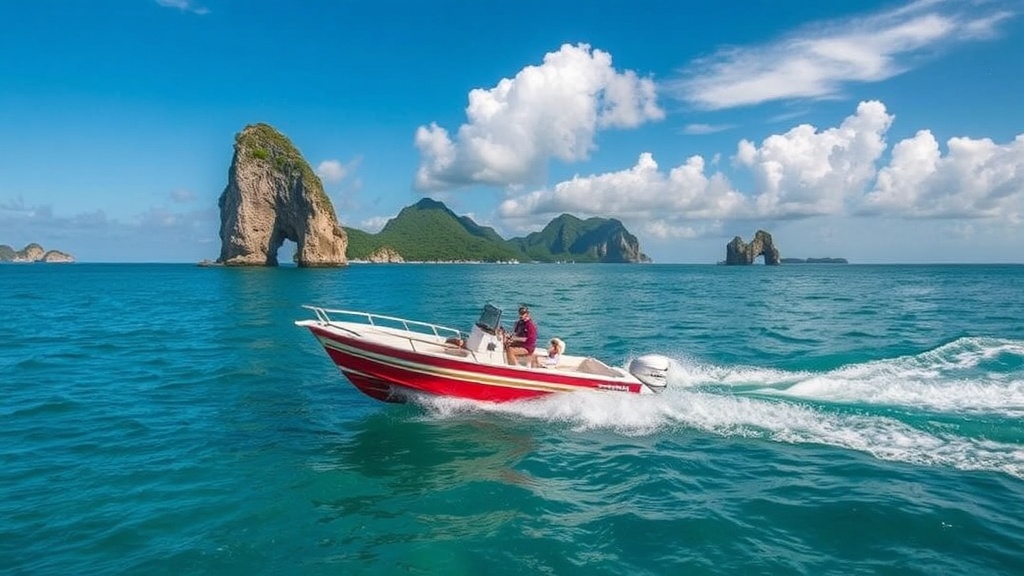
Navigating Local Island Life with Small Boat Charters

Roughly 70% of the Earth's surface is covered by water, yet most travelers only see a fraction of the world's coastlines through the windows of a large cruise ship or a beach resort. This post looks at how small boat charters function as the backbone of island transportation and how to use them to reach spots that larger vessels simply can't touch. You'll find details on booking logistics, safety standards, and the practicalities of moving between remote cays and coastal villages.
How Do Small Boat Charters Work?
Small boat charters operate as private or semi-private water taxis that transport passengers between specific points of interest, often dictated by the local tides and weather. Unlike large-scale commercial tours, these are usually single-vessel operations run by local captains who know the shallow reefs and shifting sandbars intimately. You aren't just paying for a ride; you're paying for the local expertise required to move through waters that aren't always on a standard GPS map.
Most charters fall into three categories: water taxis, private charters, and fishing excursions. Water taxis run on set routes—think of them as the buses of the ocean—while private charters allow you to set your own itinerary for the day. If you want to see a specific sandbar at exactly 10:00 AM, a private charter is your only real option.
It's worth noting that these vessels range from small 15-foot skiffs to much larger 30-foot center consoles. The size of the boat dictates where you can go. A small skiff can glide over a shallow reef to reach a secluded cove, whereas a larger boat might be restricted to deeper channels. This distinction is vital when you're planning your day.
Don't forget to check the weight limits. Most local operators are strict about passenger counts to maintain buoyancy and safety in choppy waters. If you're traveling with a group, always confirm the maximum capacity before you arrive at the dock.
How Much Does a Boat Charter Cost?
The cost of a small boat charter typically ranges from $50 to $150 per person for group tours, or $400 to $1,200 for a full-day private vessel rental. Prices fluctuate wildly based on your location, the seasonality of the islands, and the type of vessel you're requesting. In high-end destinations like the British Virgin Islands, expect to pay at the higher end of that spectrum.
To help you budget, I've broken down the general price tiers below:
| Type of Charter | Estimated Cost (USD) | Best For... |
|---|---|---|
| Shared Water Taxi | $30 - $75 | Quick transit between islands |
| Half-Day Private Charter | $250 - $500 | Small groups/families |
| Full-Day Luxury Private | $800+ | Special occasions/snorkeling |
| Local Fishing Charter | $150+ per person | Sport fishing enthusiasts |
Keep in mind that many operators charge a fuel surcharge separately. It’s a common practice in remote areas where fuel must be trucked in or flown in. Always ask if the quoted price is "all-inclusive" or if you'll be handed a bill for fuel at the end of the trip.
If you're looking to save money, try booking with local operators at the docks rather than through high-end hotel concierges. The hotel markup is often substantial. You can often find much better rates by simply walking down to the harbor and talking to the captains directly.
What Should I Look for in a Boat Charter?
You should prioritize a licensed captain, a visible safety certification, and a well-maintained vessel to ensure a safe trip. Safety isn't something you should compromise on—especially when you're several miles from the nearest shoreline. A reliable operator will have a clear way to prove their credentials.
Here is a checklist of what to verify before you hand over your cash:
- US Coast Guard (or local equivalent) Licensing: Ensure the captain is legally authorized to operate the vessel. You can often check these credentials via the US Coast Guard Boating Safety resources if you are in US waters.
- Life Jackets: They shouldn't just be present; they should be in good condition and sized correctly for every passenger.
- Communication Gear: A VHF radio or a reliable GPS system is a must. If the engine dies, you need a way to call for help.
- Vessel Condition: Look at the engine and the hull. If the boat looks neglected on the dock, it will likely be neglected in the water.
- Insurance: Ask if they carry liability insurance for passengers. It’s a professional standard that separates the pros from the amateurs.
One thing I've learned from years of traveling: never be afraid to ask questions. If a captain seems hesitant to show you their gear or can't explain their safety protocols, find someone else. It's much better to spend an extra twenty minutes vetting a provider than to spend an hour worrying about a leak in the middle of the ocean.
If you're worried about your gear during these trips, you might want to check out my guide on how to keep your electronics dry in tropical humidity. Salt spray and humidity are brutal on even the best waterproofed devices.
How Do I Book a Reliable Charter?
The most reliable way to book a charter is through a combination of local research and direct communication via WhatsApp or local phone numbers. While large booking platforms exist, the best local captains often don't use them—they're too busy actually running boats. They rely on word-of-mouth and local reputation instead.
If you're planning ahead, I suggest the following steps:
- Research via Social Media: Many local operators use Instagram or Facebook to showcase their boats and recent trips. This gives you a visual of what you're actually getting.
- Use WhatsApp: In many tropical regions, WhatsApp is the primary way businesses communicate. It's faster and more reliable than email for coordinating pickup times.
- Ask for References: If you're booking a multi-day private charter, ask for recent reviews or references.
- Confirm the Itinerary: Be extremely specific about where you want to go. If you want to see a specific reef or a particular sandbar, name it.
The catch is that the best boats book up fast. If you're traveling during peak season (like Spring Break or the Christmas holidays), you'll need to secure your boat weeks, if not months, in advance. Don't assume you can just walk up to a dock and find a boat on a Saturday afternoon.
When you do book, always confirm the "pickup point." Sometimes the dock where the boat is registered isn't the same one where you'll actually meet the captain. This can lead to a lot of frustration if you're standing on a pier waiting for a boat that's actually waiting for you at a different slip a block away.
Also, be prepared for "island time." Even with a confirmed booking, things might run a little late due to weather or previous passengers. It's part of the charm, but it can be annoying if you have a tight schedule. I always build a two-hour buffer into my afternoon plans to account for these delays.
Lastly, check the weather reports frequently. Even if the captain says it's fine, a sudden tropical squall can change everything. Reliable sources like the National Weather Service or local meteorological sites are your best friends. If the wind picks up significantly, don't be afraid to postpone. A little bit of caution goes a long way when you're out on the open water.