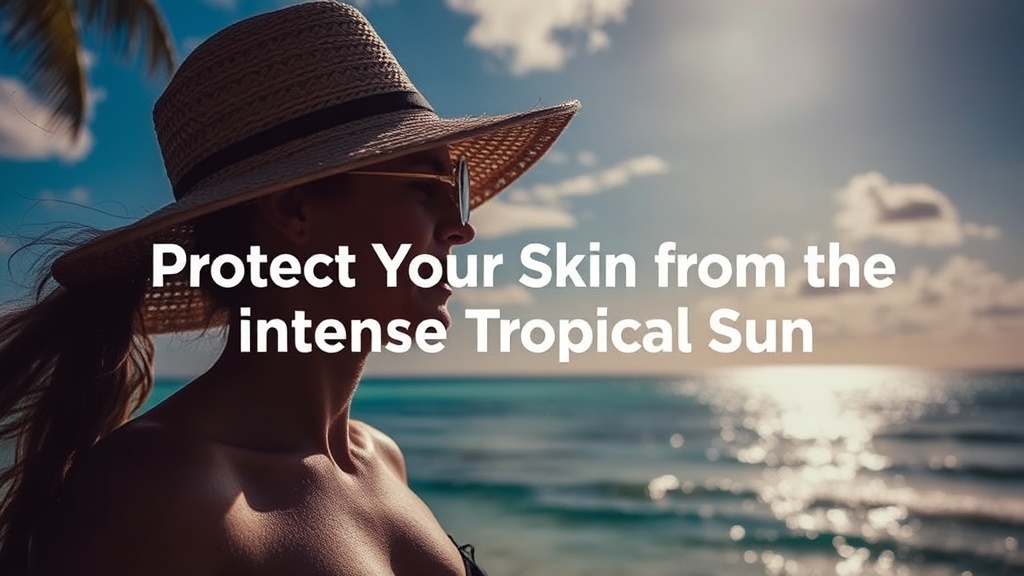
Protect Your Skin from the Intense Tropical Sun

Quick Tip
Always choose reef-safe, mineral-based sunscreens to protect both your skin and the delicate coral ecosystems.
Are you tired of coming home from a tropical getaway with a painful, red sunburn? This post covers how to effectively shield your skin from high-UV environments using the right products and habits. In tropical latitudes, the sun hits much harder and faster than it does in Philadelphia.
How much SPF should you use?
You should use a broad-spectrum sunscreen with at least SPF 30 to protect against both UVA and UVB rays. Most people don't apply nearly enough, which is why you still end up burned even after applying "plenty."
The Skin Cancer Foundation recommends applying about an ounce—roughly a shot glass full—to your body for full coverage. Don't forget the often-missed spots like your ears and the tops of your feet. If you're spending the day on a boat, make sure your formula is water-resistant. That said, "water-resistant" doesn't mean "waterproof."
Here is a quick breakdown of what to look for in your beach bag:
| Sunscreen Type | Best For... | Example Product |
|---|---|---|
| Mineral (Zinc/Titanium) | Sensitive skin & reef safety | Salt & Stone |
| Chemical | High activity/Swimming | Sun Bum |
| Stick Form | Face and easy touch-ups | Shiseido Clear Sunstick |
What is the best way to prevent sunburn?
The best way to prevent sunburn is to combine high-quality sunscreen with physical barriers like wide-brimmed hats and UPF-rated clothing. Sunscreen is your second line of defense—not your only one. (I always pack a lightweight linen shirt for exactly this reason.)
When you're out on the water, the reflection from the sand and sea intensifies the UV exposure. This is why wearing a rash guard is a smart move if you're snorkeling or paddleboarding. It's much easier than reapplying lotion every hour while you're wet. If you're worried about weight, check out my tips on packing for island hopping without overloading your bag.
Does reef-safe sunscreen actually matter?
Yes, using reef-safe sunscreen is vital for protecting fragile coral ecosystems from chemical damage. Many traditional sunscreens contain oxybenzone, which can bleach coral reefs.
If you're visiting a tropical destination with strict environmental laws, you'll want to stick to mineral-based options. It's a small change that makes a massive difference for the ocean. The NOAA provides detailed info on how certain chemicals impact marine life. It's worth the extra few dollars to ensure the islands you love stay beautiful.